How Preceptors Teach Evidence-Based Clinical Practice

How Preceptors Teach Evidence-Based Clinical Practice

Healthcare learners quickly discover that clinical practice is full of questions that textbooks cannot answer neatly. Should this intervention be used for this particular patient? Is an old routine still supported by current research? Which guideline should the team follow when recommendations seem different? This is where evidence-based clinical practice becomes essential. Evidence-based practice is … Read more

How Preceptors Build Patient Safety into Clinical Teaching

How Preceptors Build Patient Safety into Clinical Teaching

Clinical placements are designed to help learners become more independent, but independence cannot come at the expense of patient safety. Students need opportunities to assess patients, make decisions, administer treatments, communicate with teams, and learn from mistakes-all while real people depend on the care being delivered. This is where preceptors play a critical role. Rather … Read more

How Preceptors Develop Clinical Reasoning in Learners

How Preceptors Develop Clinical Reasoning in Learners

A learner may know the textbook definition of a condition, remember normal laboratory values, and perform a physical examination correctly-but still struggle when asked, “So, what do you think is happening with this patient?” That gap is where clinical reasoning becomes essential. Clinical reasoning is the process healthcare professionals use to collect information, recognize important … Read more

How to Teach Effectively During a Busy Clinical Shift

How to Teach Effectively During a Busy Clinical Shift

A busy clinical shift rarely feels like the perfect environment for teaching. Patients need attention, documentation keeps growing, new problems appear without warning, and the healthcare team is constantly adjusting priorities. Add a student or trainee to the mix, and teaching can easily feel like one more task on an already crowded schedule. Yet teaching … Read more

How to Conduct Respectful and Effective Bedside Teaching

How to Conduct Respectful and Effective Bedside Teaching

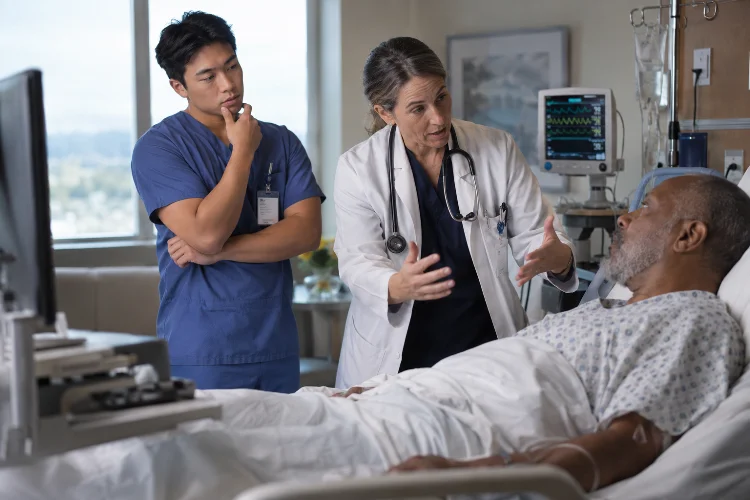
Bedside teaching is one of the few educational methods where students can connect textbook knowledge directly with a real person’s symptoms, concerns, physical findings, and healthcare experience. Done well, it can teach clinical examination, communication, professionalism, decision-making, and empathy at the same time. But effective bedside teaching requires more than bringing several learners into a … Read more

How to Demonstrate Clinical Skills Clearly and Safely

How to Demonstrate Clinical Skills Clearly and Safely

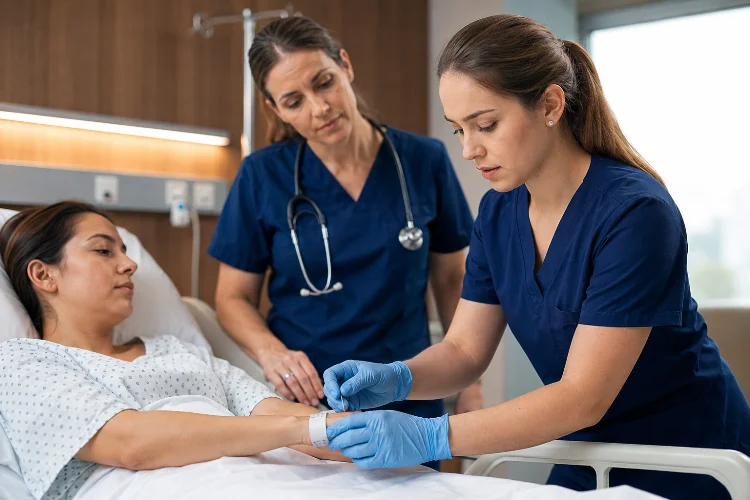
Watching an experienced clinician perform a procedure can make it look surprisingly simple. The hands move naturally, equipment appears in the right order, and important safety checks happen almost automatically. For a learner seeing the skill for the first time, however, the same procedure may contain dozens of unfamiliar decisions. That is why learning how … Read more

How to Ask Questions That Build Clinical Reasoning

How to Ask Questions That Build Clinical Reasoning

Good clinical educators do not always give learners the answer. Sometimes, the most useful thing they can do is ask the right question. A carefully chosen question can encourage a learner to notice important findings, compare possible explanations, recognize uncertainty, prioritize risks, and decide what to do next. In contrast, questions that only test memorized … Read more

How to Plan Effective Teaching During Clinical Practice

How to Plan Effective Teaching During Clinical Practice

Clinical teaching rarely happens in a perfectly quiet classroom. It happens while patients need attention, phones are ringing, documentation is waiting, and healthcare professionals are juggling several priorities at once. That can make teaching feel like something educators have to squeeze into whatever time remains. But effective teaching during clinical practice does not require turning … Read more

How to Plan an Effective Clinical Placement Orientation

How to Plan an Effective Clinical Placement Orientation

The first day of a clinical placement can feel overwhelming. A student may be trying to remember names, understand unfamiliar routines, find equipment, learn documentation systems, follow safety rules, and somehow still look confident in front of patients and staff. A well-planned clinical placement orientation makes that transition much easier. Orientation should be more than … Read more